
How Technology Is Changing the Way We Learn
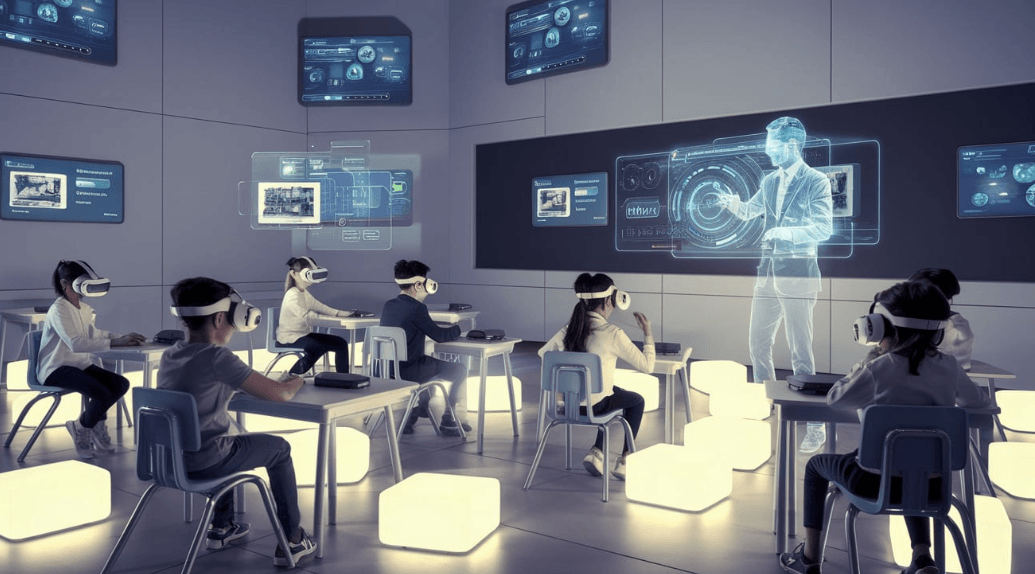
Learning is no longer limited to classrooms, printed textbooks, or fixed schedules. Technology has created new ways for people to access information, practice skills, communicate with teachers, and learn at their own pace.
The result is a broader educational environment where digital resources can complement traditional learning methods.
Learning Beyond the Classroom
Online courses, educational websites, digital libraries, recorded lessons, and interactive resources allow people to study from many different locations.
This can be especially useful for learners who cannot easily attend traditional classes or who want to explore subjects outside their regular education.
Learning at a Personal Pace
Traditional classrooms often require students to follow a shared schedule. Digital learning resources can provide more flexibility.
A learner can pause a recorded lesson, review difficult material, repeat an exercise, or move forward after understanding a concept. This creates opportunities for a more personalized learning experience.
See also: tozymagazine.com || tozymagazine.com usa
Interactive Learning Experiences
Technology can make learning more interactive through simulations, quizzes, digital experiments, visual demonstrations, and educational applications.
For certain subjects, visual and interactive tools can make complicated ideas easier to explore because learners can observe processes rather than relying only on written explanations.
Connecting Learners and Experts
The internet has made it easier for learners to access educational communities and communicate with people from different backgrounds. Online discussion groups, professional communities, virtual workshops, and remote classes can connect learners with new perspectives.
This can make education more collaborative and expose people to ideas beyond their immediate environment.
The Importance of Digital Learning Skills
Having access to information does not automatically mean someone knows how to learn effectively online. Learners also need to evaluate sources, compare information, recognize unreliable material, and organize their study time.
Digital literacy is therefore becoming an important part of modern education.
Final Thoughts
Technology is reshaping education by making learning resources more flexible, interactive, and accessible. However, technology works best as a tool rather than a replacement for curiosity, discipline, critical thinking, and meaningful guidance. The future of learning will likely continue to combine digital possibilities with the strengths of traditional education.
One Comment